|
Sent
free to subscribers to nzaawebsubscribers at yahoogroups.com
RSS link for this
news:
The
New Zealand archaeological Wiki.
archaeopedia.com
Want to be an archaeologist? -
our page on Careers
in Archaeology will help.
More
Touring
New Zealand? - look at this page - Archaeological
Sites for the Cultural Tourist. More
|
Wednesday, October 25, 2006
The complete work of Charles Darwin Darwin, C. R. 1881. The formation of vegetable mould, through the action of worms, with observations on their habits. London: John Murray Now on line - essential reading for field archaeologists!
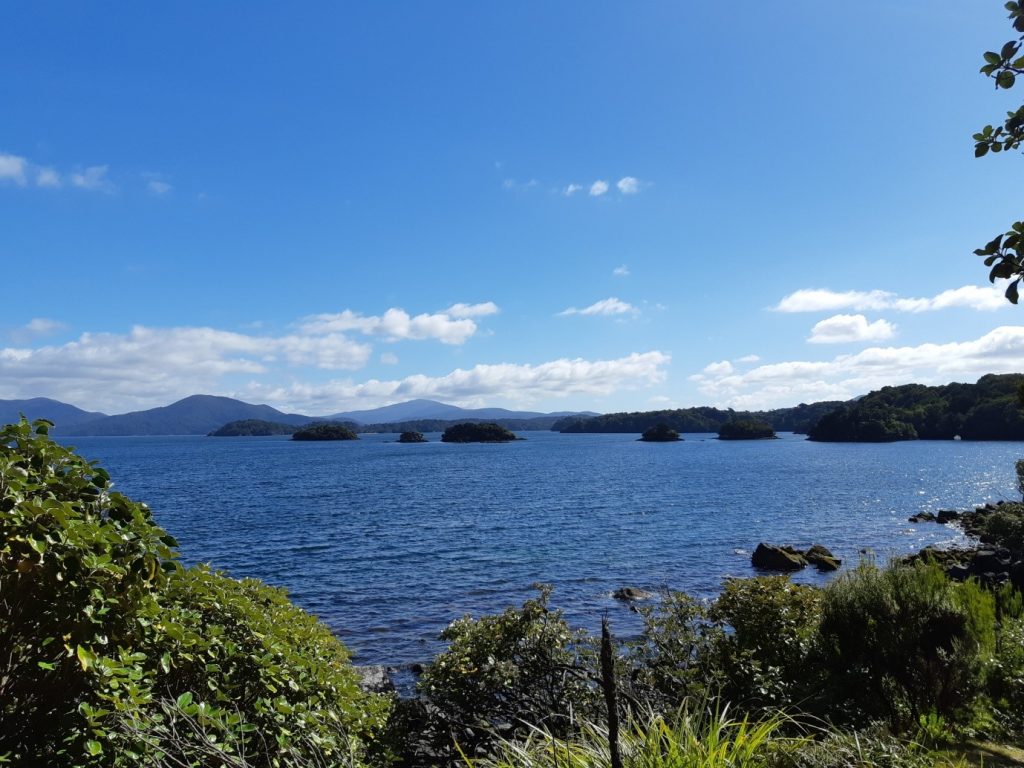
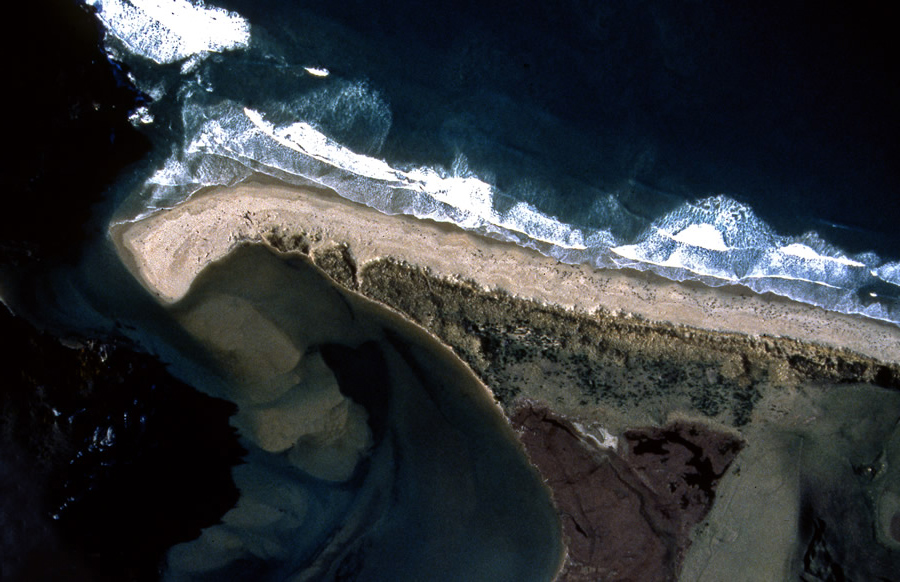
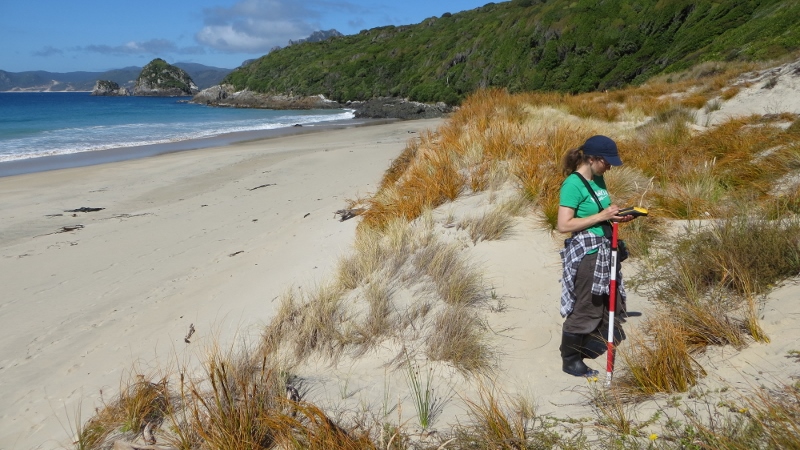
Pegasus tin: archaeological survey of the Pegasus tin field, southern Stewart Island/Rakiura New DOC Publication By P.G. Petchey. 93 p. What's it about? Tin was discovered in Pegasus Creek on the western flanks of the Tin Range in southern Stewart Island/Rakiura, New Zealand in 1888. A party of gold prospectors found that heavy black sand was interfering with gold recovery, and this sand was identified as stream tin (tin ore, cassiterite). A rush to the locality ensued, with 144 mining claims registered by 1890. A store, hotel and post office were established on the shore of the northern inlet of Port Pegasus. Unfortunately, the tin deposits were nowhere near as rich as had been anticipated, and by the end of 1890 the rush was over. Some desultory prospecting continued, but several mining authorities that inspected the field were quite candid about its lack of promise. However, a rise in tin prices in the early twentieth century renewed interest in the area, and a company was formed to mine tin from the Tin Range. Over £9000 was spent between 1912 and 1917, but again it was a failure. Much of the mining equipment was abandoned on site, where it remains today. No accurate returns were published, but it has been estimated that less than one ton of cassiterite was ever recovered from the area. An archaeological survey of the Pegasus tin field was carried out in 2001 and 2002 to record the surviving physical evidence of these two periods of tin mining. This survey found extensive evidence of alluvial tin mining scattered over an area of 36 km2. It appears that standard alluvial mining methods, as used widely in the Central Otago goldfields, were applied to tin mining. Tin ore, like gold, has a high specific gravity, and the same alluvial mining technology can be used to recover both minerals. At the time of the survey, many of the mining sites had become overgrown, but the lack of large animals and human visitation in this area has meant that the archaeological features have remained in excellent condition. What was recorded during the survey is possibly New Zealand's best preserved alluvial mining field, and the only tin mining field. The area has extremely high historical, interpretative and scientific values which, until now, have been largely unknown.
******************************** The above new publication is now in press and mounted on DOC's public website as linked above - for subsequent sections go to ap234a, ap234b etc etc
Saturday, October 21, 2006
The right hand side bar on this newsletter is generated by Yahoo and the quid pro quo for their free service. I noted that 'archaeology and Jesus' was featuring recently. On checking what we were associating with I noted it was directed to www.bishopspong.com - no it wasn't about smelly bishops but a site by a bishop with the unsual name of Spong.
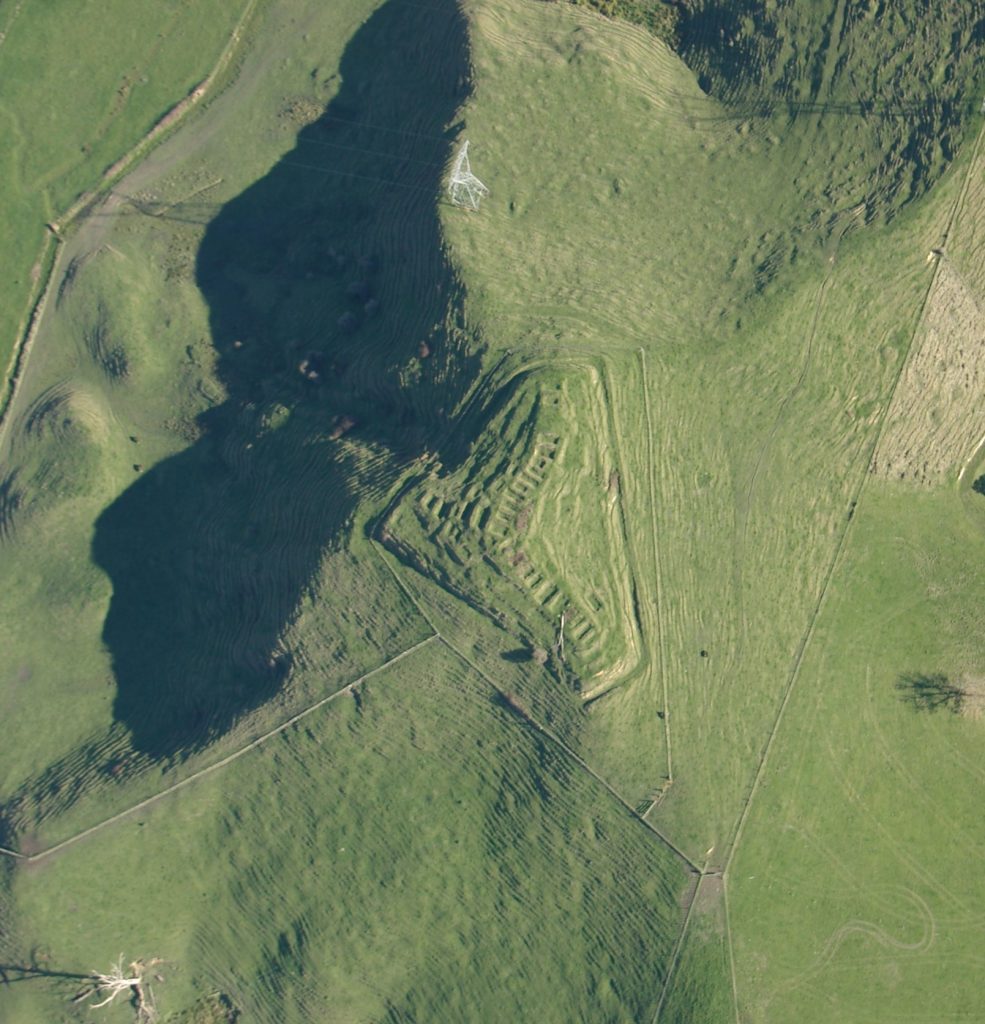
Stonefields township springs out of old Mt Wellington quarry The old Winstone's quarry in Mt Wellington and site of the largest residential development in Auckland City is to be named Stonefields, befitting the new suburb's middle-to-upper-income aspirations. The name Stonefields comes from the Maori stone fields at the base of Mt Wellington, one of which is owned and preserved by Auckland City Council. The stone field garden system used heated stones to warm the earth and allow crops to grow in cool temperatures."
Comment: The name would be a little less irritating if the quarry and the surronding industrial development had beenundertaken with even a minimum of archaeological mapping and research on the surrounds of the mountain. A tiny part of it is now preserved.
Thursday, October 19, 2006
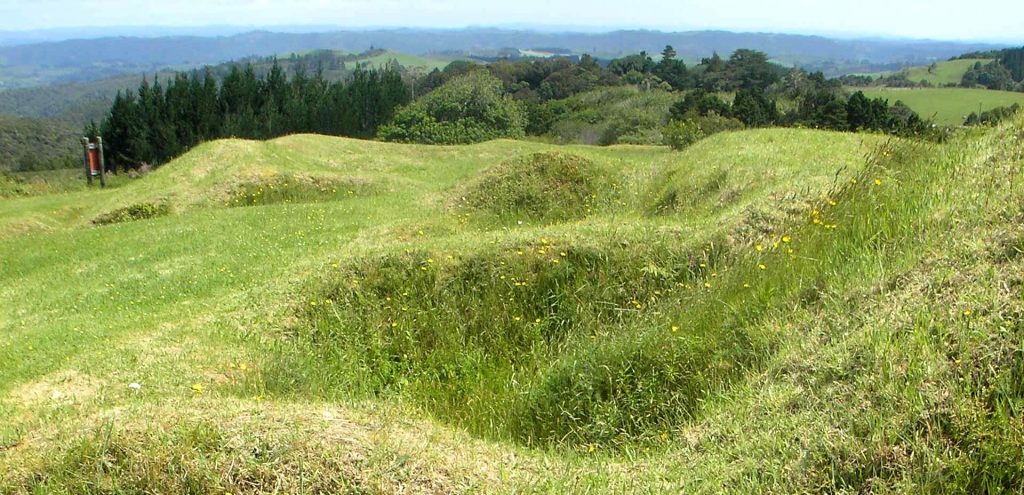
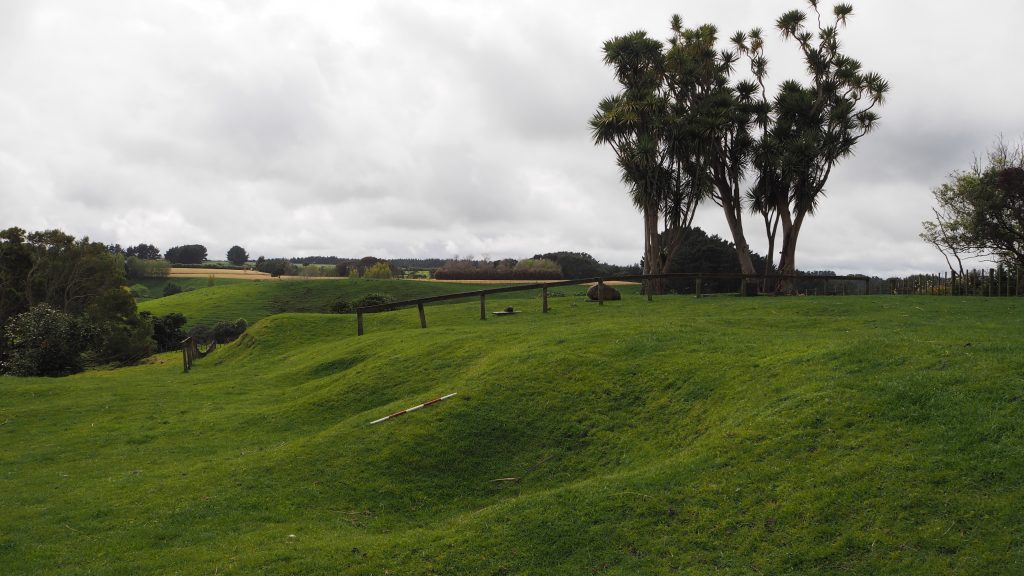
New DOC Publication Maori gardening An archaeological perspective Louise Furey (pdf download - in parts)
Other parts are at http://www.doc.govt.nz/Publications/004~Science-and-Research/Miscellaneous/pdf/sap235a.pdf sap235b, sap235c etc etc
Monday, October 16, 2006
West Australia Burrup rock art lost as Woodside expands Some ancient Aboriginal rock art will be lost on Western Australia's Burrup Peninsula because of the expansion of energy giant Woodside's LNG gas operation, federal Environment Minister Ian Campbell says. Hundreds of thousands of petroglyphs, or rock carvings, dating back to the last Ice Age, are estimated to be at the site in WA's north. But Woodside wants to place a large onshore facility on the peninsula - the former Dampier Island - to support its production. Interested groups are waiting on Senator Campbell to make a decision on whether some of the petroglyphs can be sacrificed to make way for the facility. He spoke about Burrup while releasing details of a planned overhaul of Australia's main environment protection act. 'There will be, by the expansion of Woodside's operation, some disturbance to some rock art,' he told reporters.
Monday, October 09, 2006
Early humans followed the coast Learning how to live off the sea may have played a key role in the expansion of early humans around the globe. After leaving Africa, human groups probably followed coastal routes to the Americas and South-East Asia. Professor Jon Erlandson says the maritime capabilities of ancient humans have been greatly underestimated. But that view is gradually changing; genetic studies, for example, suggest a major early human expansion out of Africa occurred along the southern coastline of Asia, leading to the colonisation of Australia 50,000 years ago. Shifting sea levels since the last Ice Age, combined with coastal erosion, would have erased many traces of a maritime past, Professor Erlandson explained. "The story of human evolution and human migrations has been dominated by terrestrial perspectives," the University of Oregon researcher told BBC News.
Comment - a view of the world that seems to exclude mangrove forests and salt water crocodiles.
Sunday, October 01, 2006
KV Masterplan - Theban Mapping Project The Valley of the Kings Site Management Masterplan Editor: Comment has been invited on this - it's unusual for an agency to go beyond its borders on a general basis - I guess a lot of readers wuill have visited the site.The Valley of the Kings (Wadi Biban el Mouluk) on the West Bank of the Nile in Luxor, in the Arab Republic of Egypt, is a World Heritage site whose archaeological fame and economic importance as a tourist destination are internationally recognized. The result of its popularity has been a massive increase in visitor numbers over the last decade, now often exceeding 7,000 visitors every day. This number is guaranteed to increase in future years. Without carefully prepared site management plans, the very existence of this fragile resource could be seriously threatened. In the spring of 2004, the Supreme Council of Antiquities (SCA) requested that the Theban Mapping Project (TMP) prepare a masterplan for the future management of the Valley. This project was generously supported by the World Monuments Fund (WMF), and the American Research Center in Egypt (ARCE), and several private donors. What follows is the main text of that management plan. The Theban Mapping Project is very interested in your comments on the KV Masterplan. You can provide feedback directly to us via email at kvmasterplan@yahoo.co.uk. We look forward to hearing from you.
|
Become
a Member of the N.Z. Archaeological Association
|
Members
get our quarterly magazine, Archaeology in New Zealand and discounts on publications
and events. |
|

|
This
message is intended to be compliant with New Zealand Law: The Unsolicited
Electronic Messages Act 2007. Please communicate with the webmaster on any
issues that may arise in this regard.
|
|
Opinions
in items linked in this column are not those of the Association.
An
archive of news posts can be accessed at http://www.nzarchaeology.org/blog/archive/
|